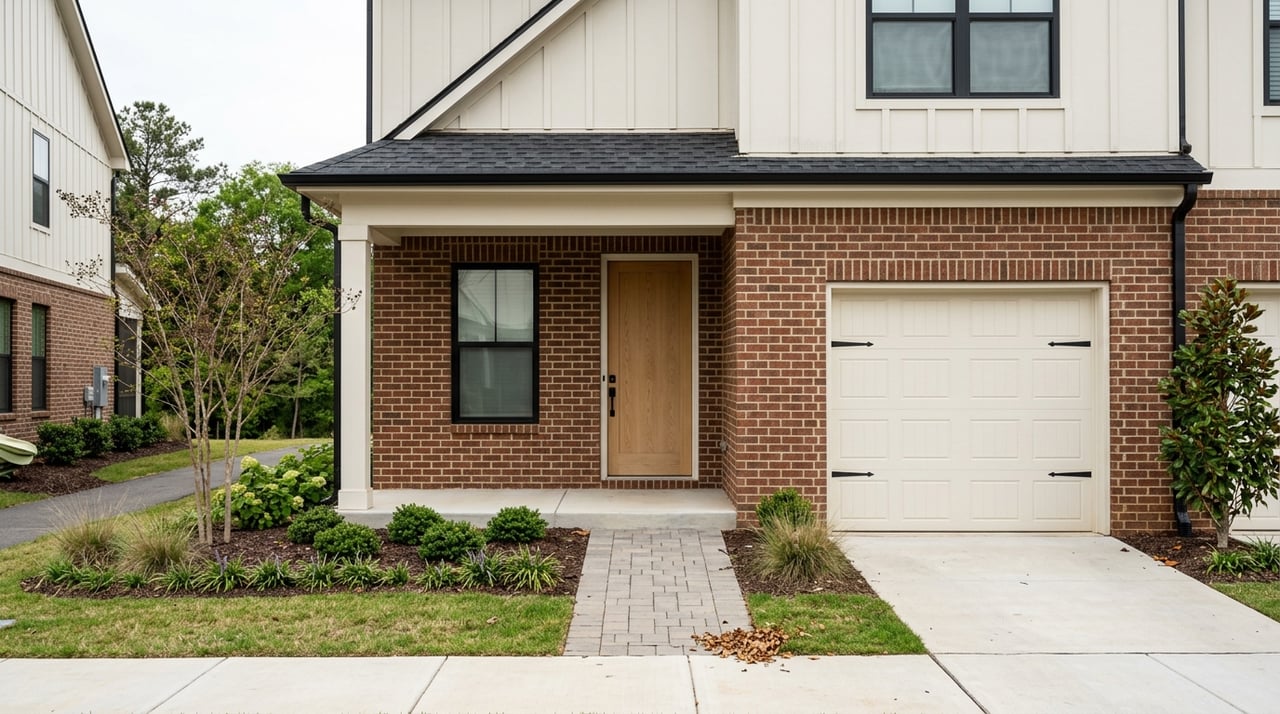
If Hampton Cove is on your shortlist, you are probably already asking the right question: which part of Hampton Cove fits the way you actually want to live? This area is not just one neighborhood with one look and feel. It is a large master-planned community with distinct sections, different home styles, and different ownership details, so knowing how to compare them can save you time, stress, and costly second-guessing. This guide will help you sort through the main differences, understand what matters most as a buyer, and narrow your search with confidence. Let’s dive in.
Why Hampton Cove Feels Different
Hampton Cove is part of Huntsville and receives city services, even though the ZIP code 35763 is served by the Owens Cross Roads post office. In everyday life, that means you may see either Hampton Cove or Owens Cross Roads used in mailing addresses.
For buyers, the bigger story is scale. Hampton Cove spans about 2,800 acres and includes more than 2,000 homes, 20 neighborhoods, 10 lakes and ponds, and more than 20 miles of sidewalks. That size is one reason the area feels more like a collection of connected neighborhoods than a single subdivision.
How to Think About Hampton Cove Sections
One of the smartest ways to shop Hampton Cove is by section, not just by price. HOA documents are organized by named areas such as Hampton Cove Estates, Tammerack Lakes, Tammerack Links, Treyburne, Twelve Stones, Deford Mill, Eastern Shore, Mallard’s Landing, and Sussex Quarter.
That matters because different sections can mean different lot sizes, home types, exterior rules, and fees. Two homes may both have a Hampton Cove address, but the day-to-day ownership experience can still feel very different.
Established Areas vs Newer Pockets
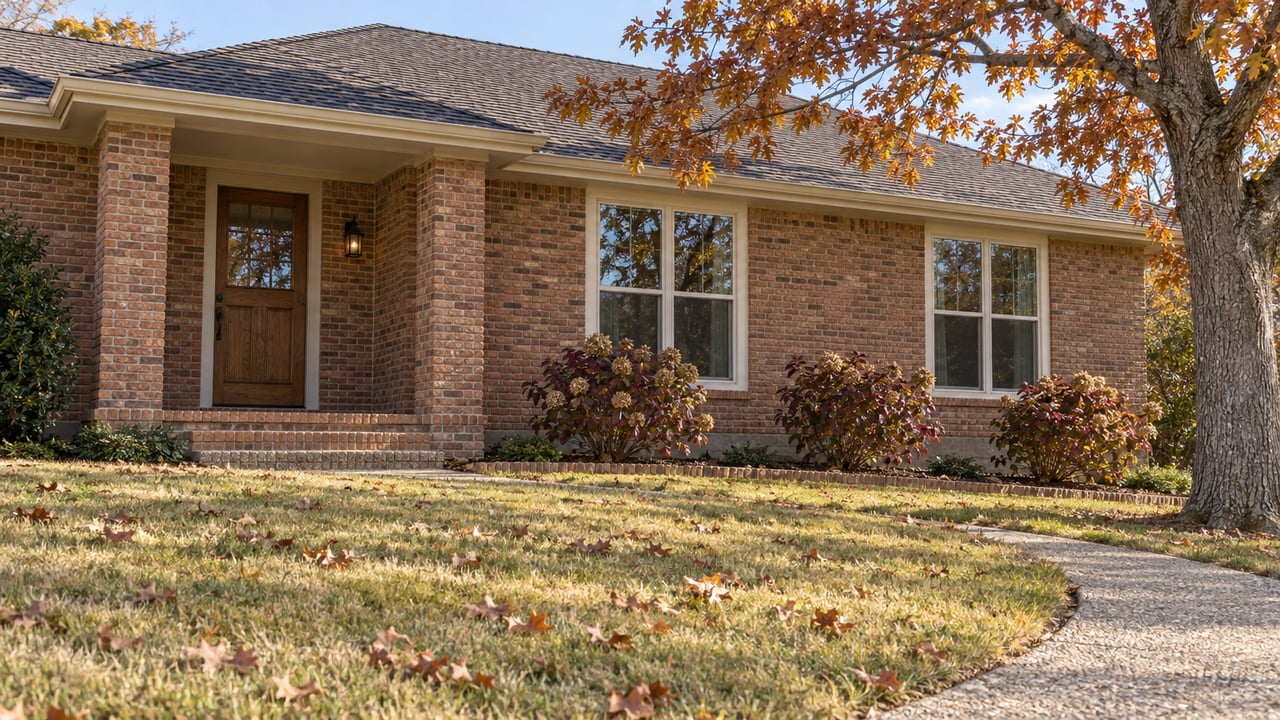
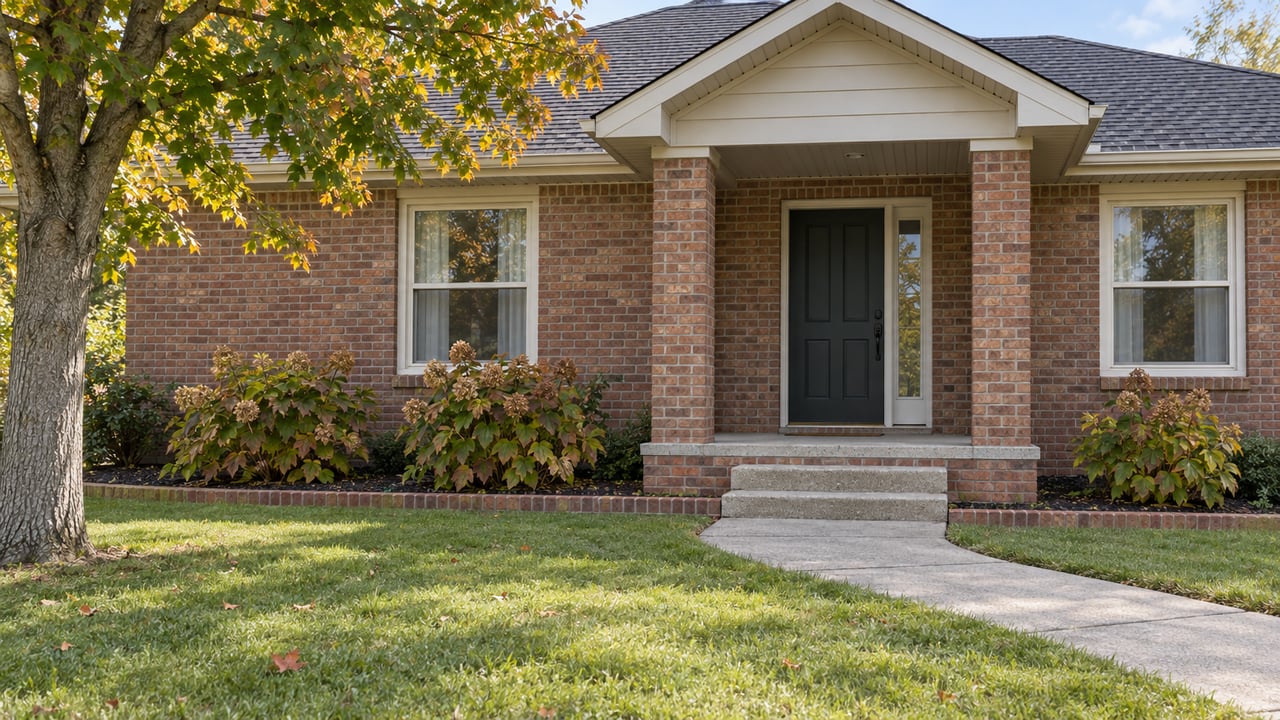
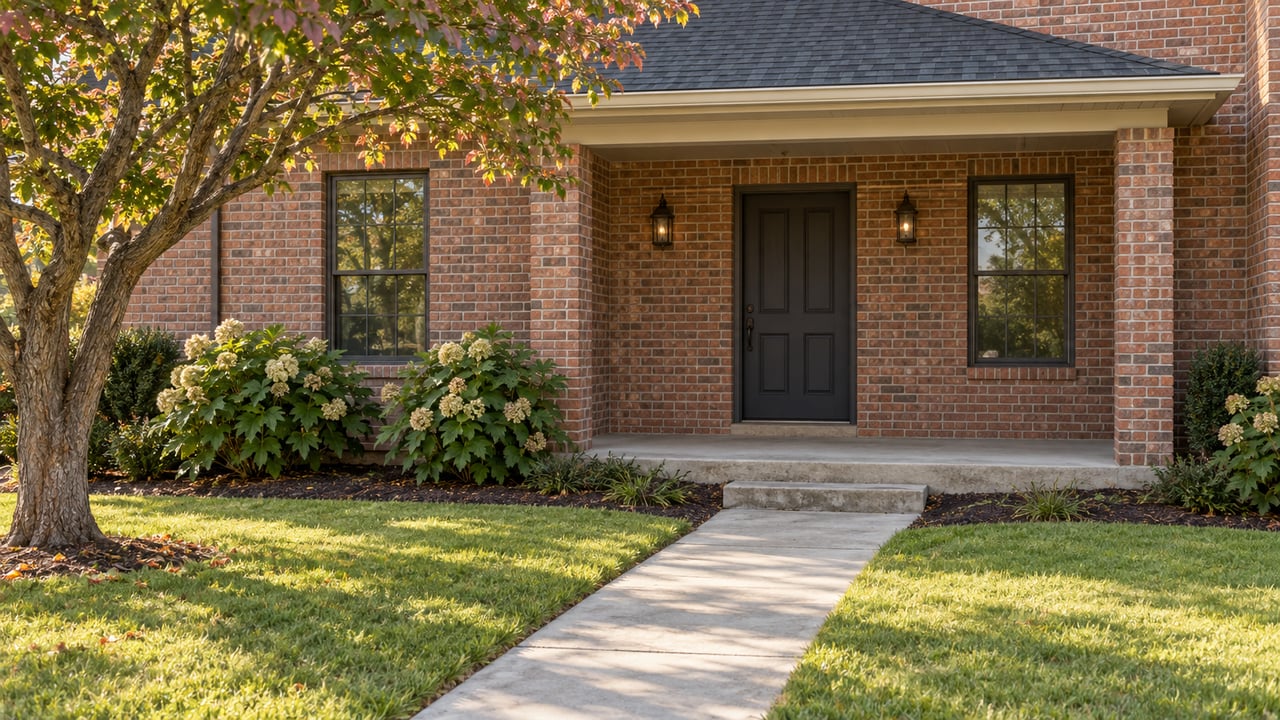
Hampton Cove includes a mix of older and newer residential pockets. The official community information describes the housing mix as ranging from estate luxury homes to family homes to patio homes and townhomes.
As you tour, you will likely notice a clear difference between the original core of Hampton Cove and newer-build alternatives in the broader corridor. Established areas often bring more mature landscaping and a more covenant-driven feel, while newer options nearby tend to feature open-concept layouts, ranch or two-story plans, and updated finishes.
Why Street-by-Street Research Matters
In Hampton Cove, broad generalizations only go so far. A street in one section may have different architectural review expectations, mailbox standards, or lawn care arrangements than a street a few minutes away.
That is why buyers benefit from looking beyond listing photos and asking practical questions early. You want to know not just what the home looks like today, but what ownership will feel like after closing.
Home Types You’ll See in Hampton Cove
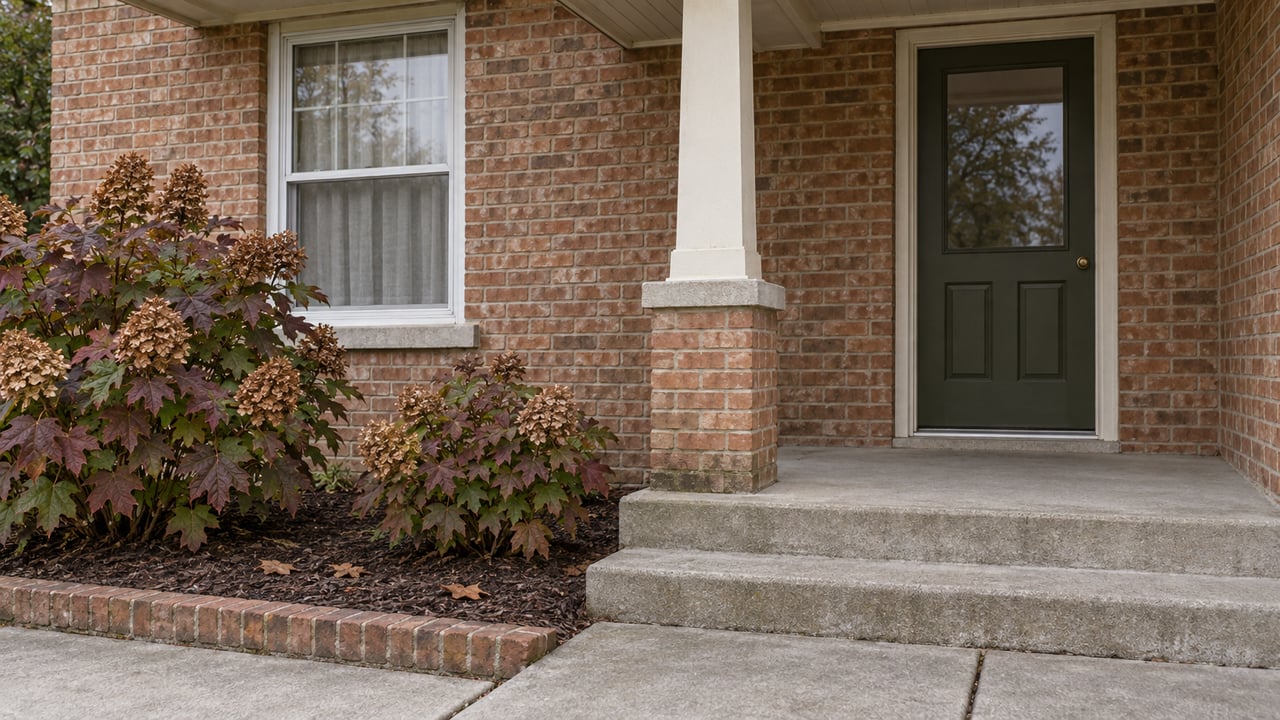
Hampton Cove offers a wider housing mix than many buyers expect. Depending on the section, you may find larger estate-style homes, traditional single-family homes, patio homes, and townhomes.
This variety can be helpful if you are trying to balance budget, maintenance, and space. It also means your search criteria should include more than square footage and bedroom count.
Single-Family Homes
Single-family homes make up a large part of the area’s appeal. These homes can range from more traditional family layouts to larger executive-style properties in established sections.
If you want more yard space, a mature setting, or a home in the original community core, this category may give you the broadest range of options. The tradeoff is that older homes can vary more in finishes, update level, and maintenance history.
Patio Homes and Townhomes
Patio homes and townhomes offer a different ownership experience. They can be a strong fit if you want less exterior upkeep or a more compact footprint without leaving the Hampton Cove area.
These sections are especially important to compare carefully because some have additional lawn-care quarterly fees. That can be worthwhile for buyers who want convenience, but it should still be part of your monthly budget planning.
HOA Rules and Fees to Compare
Before you write an offer, take time to understand the section-specific HOA details. Hampton Cove’s HOA currently lists annual dues of $500, and some sections also include additional quarterly lawn-care fees.
The current section fees listed by the HOA include:
- Mallard’s Landing patio homes: $432 quarterly
- Mallard’s Landing townhomes: $337 quarterly
- Stoneleigh Terrace: $472 quarterly
These extra costs are not automatically a negative. They simply need to match your priorities and your comfort level with recurring ownership expenses.
Architectural Rules Matter Here
Hampton Cove also has design standards that affect what you can change on the outside of your home. The community states that each neighborhood has an assigned mailbox style, and exterior changes must be submitted to the Architectural Review Committee.
If you like the consistency and appearance of a well-managed community, that structure may be a plus. If you want more flexibility for exterior projects, that is something to weigh before you buy.
Amenities That Shape Daily Life
For many buyers, Hampton Cove is about more than the house itself. Outdoor access, recreation, and walkability are a meaningful part of the appeal.
That lifestyle picture looks a little different depending on which section you choose and how often you plan to use nearby amenities. A home that works well on paper may feel much better in person if it fits your weekly routines.
Golf Is a Major Draw
The Robert Trent Jones Golf Trail at Hampton Cove is one of the area’s signature features. It is a 54-hole public golf complex with the Highlands, River, and Short Course, along with practice space and a clubhouse.
Even if you are not a golfer, the course helps define the character of the area. For some buyers, proximity to golf is a major lifestyle benefit. For others, it simply adds to the identity of the community.
Trails and Greenways Add Flexibility
Hampton Cove also stands out for outdoor connectivity. The City of Huntsville says Hays Nature Preserve offers more than 10 miles of trails and greenways.
The surrounding greenway network adds even more access:
- Little Cove Greenway: 5.04 miles
- Big Cove Creek Greenway: 2.75 miles
- Flint River Greenway: 1.87 miles
Little Cove Greenway connects to Hampton Cove Elementary, the Hampton Cove community, the RTJ trail, the Flint River Greenway, and the Big Cove Creek Greenway. For buyers who want walking, biking, or easier outdoor access, this is a meaningful advantage.
The Hampton House Is Optional
One detail buyers sometimes miss is that Hampton House membership is not automatic. It is optional and tied to the property rather than included by default.
The community describes Hampton House as a members-only recreation center with a large pool, gym, clay tennis courts, volleyball, rentals, and recurring events. If those amenities matter to you, it is worth confirming whether a specific property includes access or whether you would plan to join separately.
School and Location Factors to Check
If school proximity is part of your search, Hampton Cove offers a practical convenience worth noting. The community says the elementary and middle schools sit side by side and connect to Deford Mill.
Huntsville City Schools lists Hampton Cove Elementary at 261-A Old Highway 431 and Hampton Cove Middle at 261-B Old 431 Highway. Huntsville City Schools also approved the purchase of an 82-acre Hampton Cove property for a future elementary or middle school site expected to open for the 2033 school year.
For buyers, the key is simple: verify how a specific address relates to your daily route and priorities. In a large community, even nearby destinations can feel different depending on the section.
Commute Patterns Matter More Than Miles
In Hampton Cove, commute planning is less about distance and more about route choice. The City of Huntsville identifies Cecil Ashburn as a primary route to work, shopping, and entertainment for Hampton Cove residents.
The city also lists major alternative corridors including US 431/Governor’s Drive, US 72 via Eastern Bypass/Rock Cut Road, and South Memorial Parkway/US 231 via Hobbs Island Road. Which route you use most often can strongly influence how convenient a home feels.
Why Cecil Ashburn Comes Up So Often
The City of Huntsville says the completed Cecil Ashburn widening created a safer, quicker, higher-capacity connection from East Huntsville’s Big Cove and Hampton Cove area to downtown Huntsville, Redstone Arsenal, Cummings Research Park, and beyond.
That helps explain why Hampton Cove continues to draw attention from buyers who work across the Huntsville area. If you are relocating, this route story is often just as important as the home itself.
Hampton Cove vs Nearby Newer Options
Many buyers compare established Hampton Cove sections with newer communities nearby. In the broader corridor, builder activity has highlighted options such as Monteagle Cove in Owens Cross Roads, The Reserve at Overton, Chimney Creek, Mountain Preserve, and nearby McMullen Cove.
This comparison usually comes down to tradeoffs, not right versus wrong. Hampton Cove’s original core tends to feel more mature, landscaped, and covenant-driven, while newer nearby communities often emphasize newer floor plans, open-concept living, and amenity-forward design.
Questions to Ask Yourself
If you are deciding between Hampton Cove and a newer nearby option, start with the basics:
- Do you want mature landscaping or brand-new finishes?
- Are section rules and review standards a benefit or a drawback for you?
- Would you rather budget for updates over time or pay a premium for newer construction?
- Which commute corridor will you use most often?
- How important are sidewalks, greenway access, golf, or optional recreation amenities?
These answers can quickly narrow your search and make showings more productive.
A Smarter Way to Buy in Hampton Cove
The best Hampton Cove home for you may not be the one with the flashiest photos. It is the one that fits your budget, your commute, your maintenance preferences, and your daily routines.
That is why a neighborhood guide matters here. In a community with multiple sections, varied housing types, and different HOA details, clear guidance can help you avoid surprises and make a stronger decision from the start.
If you want help comparing Hampton Cove sections, weighing established homes against newer options, or planning a smooth move into the Huntsville area, Scott & Sheryl Schettinger can help you take the next step with clarity and confidence.
FAQs
What is Hampton Cove in Huntsville, AL?
- Hampton Cove is a master-planned Huntsville community of about 2,800 acres with more than 2,000 homes, 20 neighborhoods, 10 lakes and ponds, and over 20 miles of sidewalks.
Are Hampton Cove and Owens Cross Roads the same address area?
- Hampton Cove is in the City of Huntsville and receives city services, but the Owens Cross Roads post office serves ZIP code 35763, so either Hampton Cove or Owens Cross Roads may appear in the mailing address.
What kinds of homes are available in Hampton Cove?
- Buyers can find a mix of estate homes, traditional single-family homes, patio homes, and townhomes, depending on the section.
Do all Hampton Cove neighborhoods have the same HOA fees?
- No. The HOA lists annual dues of $500, and some sections also have additional quarterly lawn-care fees, including certain homes in Mallard’s Landing and Stoneleigh Terrace.
Is the Hampton House included with every Hampton Cove home?
- No. Hampton House membership is optional and tied to the property rather than automatically included.
What outdoor amenities are near Hampton Cove?
- The area includes access to the Robert Trent Jones Golf Trail at Hampton Cove, Hays Nature Preserve, and several connected greenways including Little Cove Greenway, Big Cove Creek Greenway, and Flint River Greenway.
What should homebuyers compare between Hampton Cove neighborhoods?
- Buyers should compare home type, lot size, HOA fees, lawn-care costs, exterior rules, commute routes, and proximity to the amenities they expect to use most often.