Drive Jeff Road on a Saturday and you will pass a builder's sales trailer, a stack of spec-home yard signs, and, a few driveways down, a resale listing with its own sign planted in the grass. Both signs are selling the same promise: move in soon, in the same rough price range, inside the same school zone. What they are not selling on equal footing is the deal behind the price, and that gap is exactly what a Harvest seller needs to understand before choosing a list price this fall.
New construction made up 32% of area home sales in 2025 and climbed to 36% of sales in the first quarter of 2026, according to local brokerage data tracking the Harvest market. That is not a small shift. It means more than a third of the recent sales an appraiser could pull as a comparable for your resale home are now homes that were built, not just bought, in the last year or two, in communities like Riverstone at Monrovia, Abbington, and newer sections filling in around Belmont Farms and Crowne Creek Village.
The instinct most sellers have when they see that number is to assume they need to compete on price with something shinier. That instinct is only half right, and the half it gets wrong is the expensive half.
The Math Nobody Puts on the Yard Sign
Builder incentives are not a Harvest quirk. Nationally, the National Association of Home Builders reported that 62% of builders were using sales incentives as of June 2026, a sign of how standard these offers have become as builders manage affordability pressure. Locally, that shows up in specific, advertised terms: North Alabama MLS listings for communities like Riverstone and Abbington have offered 100% financing with no closing cost, on top of the kind of closing-cost assistance, often in the $5,000 to $15,000 range, that has become common when a buyer uses the builder's preferred lender.
Here is the part that matters for a resale seller. None of that assistance typically shows up as a lower recorded sale price. A builder who covers a buyer's closing costs or buys down their rate still closes the transaction at or near the home's list price. The concession moved money in the buyer's direction, not down on the settlement statement. To anyone reading the sale later, including an appraiser, that new-construction sale looks like a full-price transaction.
What That Number Does to the House Next Door
This is where the appraisal mechanic actually works in a resale seller's favor, if the seller understands it. When an appraiser sets a value on a home in an established Harvest neighborhood, they pull recent closed sales inside a tight radius and adjust for size, age, and condition. If a new-construction home two streets over closed at what looks like full list price, that sale supports value in the area. It does not drag it down.
The mistake sellers make runs the other direction. Watching a builder market a brand-new home at a price close to their own asking price, a resale seller sometimes assumes they need to cut their number to compete. But the buyer purchasing that new-construction home may be paying a similar sticker price while also collecting thousands back in closing costs or a subsidized rate. Match that sticker price without matching what came with it, and a seller has discounted against a number that was never the buyer's true cost in the first place. The comp supports your price. Racing to beat a builder's advertised number, rather than pricing against what buyers are actually netting, is how equity leaves the table on a home that never needed to give it up.
What Kelly Plantation Has That Riverstone Doesn't Have Yet
None of this means a resale listing should ignore what a builder can offer that it cannot. It means finding the things a still-selling new-construction community genuinely cannot offer yet, and making those the center of the listing rather than an afterthought.
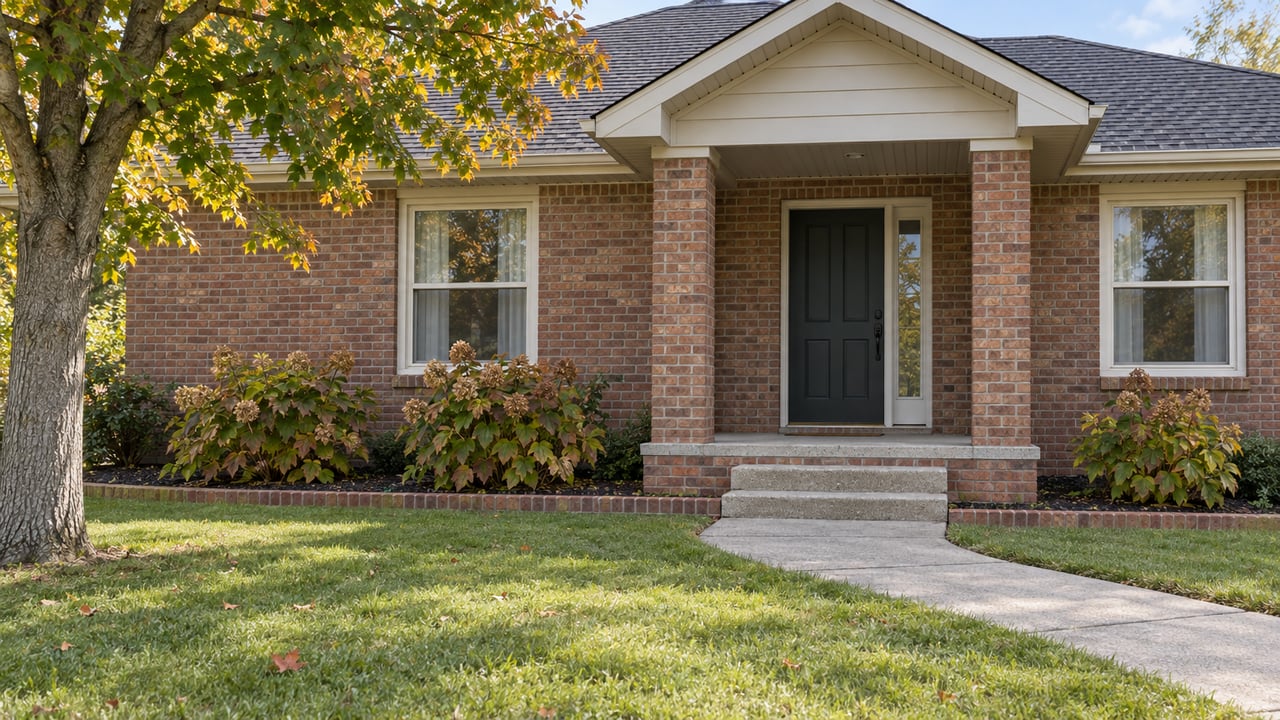
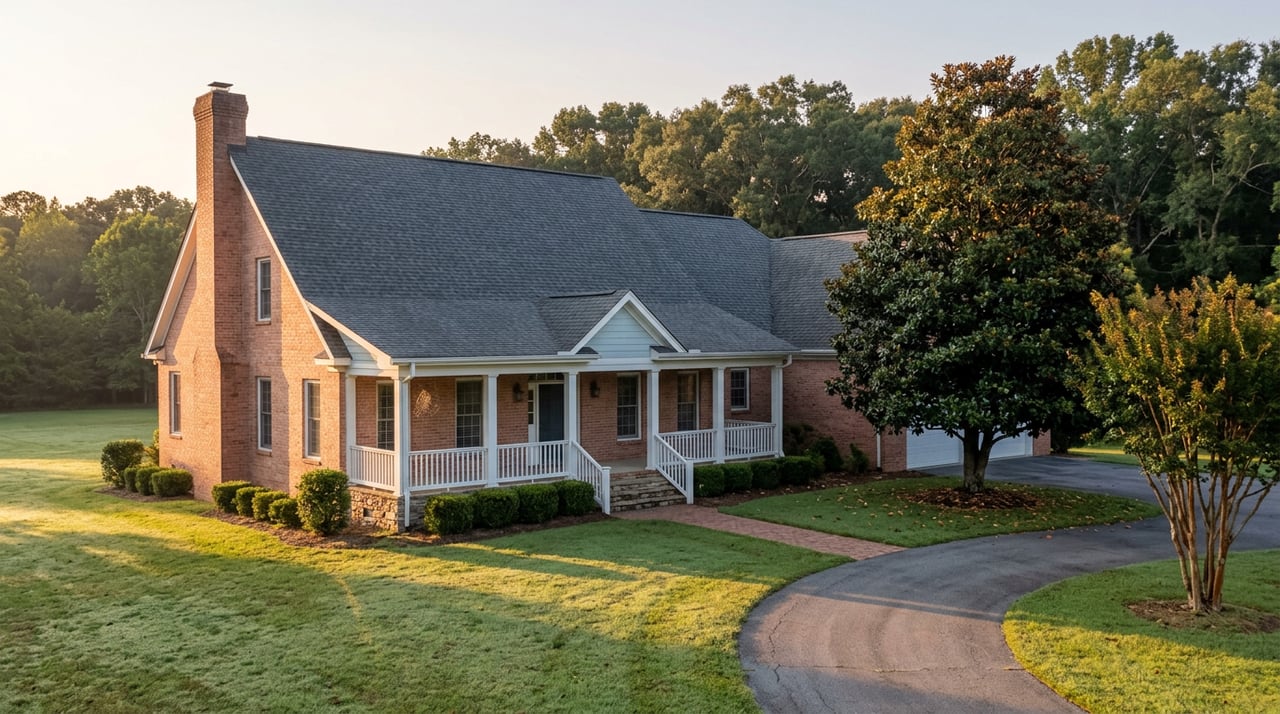
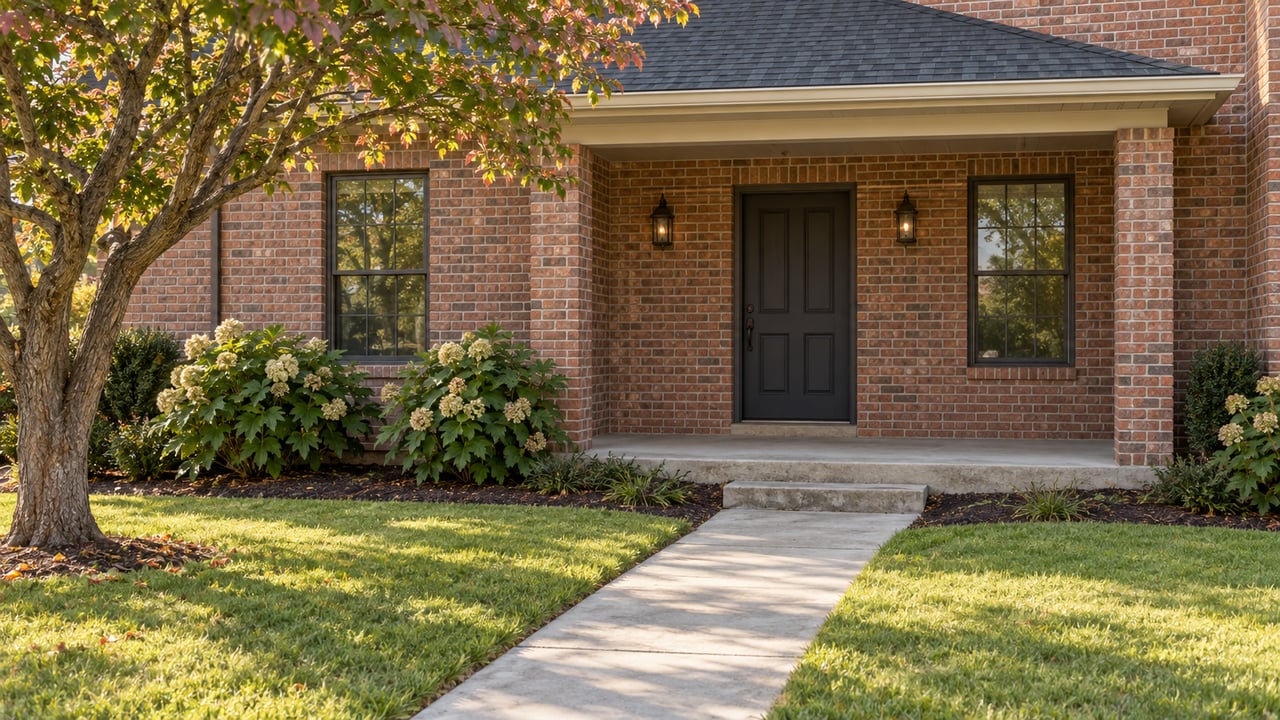
Kelly Plantation, off Jeff Road, is a useful example of what that looks like on the ground. It is an established, amenitized HOA community with a clubhouse, tennis courts, a pool, sidewalks, and underground utilities already built and functioning, not rendered on a site plan. A buyer touring a resale home there is walking into a neighborhood with mature trees, settled landscaping, and amenities they can use the week they close. A buyer touring a spec home in a community still finishing out phases is often buying the promise of those amenities, on a construction schedule that is someone else's to control.
The same logic applies to proximity. Homes in and around Harvest's established subdivisions already sit inside a settled radius of Clift Farms restaurants, Village of Providence, Sparkman High School, and Highway 53 access to Research Park and Redstone Arsenal. A new community advertising the same proximity is describing a future drive, not a current one. That distinction is worth stating plainly in a listing description instead of leaving it implied.
The Completion Dates Are Already Public
One more piece of this that sellers routinely overlook: builders publish their own timelines. It is common practice for new-construction listings in communities like Riverstone at Monrovia and Abbington to include an estimated completion month right in the listing, sometimes months out. One Harvest listing earlier this year advertised an estimated completion in September, giving anyone paying attention weeks of notice before that unit would be finished, photographed, and added to the pool of active listings.
That is a real planning advantage for a resale seller, and it costs nothing to use. A seller who tracks which nearby communities have units completing in the coming months can time their own listing to avoid launching into a wave of freshly finished competition, or can choose to list ahead of that wave, while their home is one of the few finished, photograph-ready options on the market in a given month.
Timing also intersects with how the broader county market is actually moving. Madison County homes were taking a median of 65 days to sell as of August 2026, a pace that reflects a more typical, balanced market rather than the faster turnarounds sellers may remember from a few years back. That number is not a warning sign. It simply means pricing and presentation carry more weight than they did when almost anything sold in under two weeks.
Pricing and Prepping Against an Unfinished Neighbor
A few concrete moves follow directly from all of this:
- Ask your agent to identify which nearby new-construction sales an appraiser is likely to use as comps, and what incentive package those buyers actually received, not just the closing price on record.
- Price against the buyer's net cost in those comps, not the builder's advertised sticker price.
- Lead your listing with what is already finished: mature trees, an established yard, working HOA amenities, a settled street. These are advantages a still-building community cannot manufacture on a construction schedule.
- Handle the basics an appraiser responds to before the appraisal happens, not after. Fresh paint, a clean and organized yard, and minor repairs are simple, low-cost moves that support value without competing on scale with a builder's marketing budget.
- Track completion months on nearby builder listings and plan your own listing date around them, either ahead of a wave or clear of it.
A Couple of Questions Worth Asking Before You List
Does a nearby new-construction sale automatically lower my home's appraised value? Not on its own. If that new home closed near its list price, even with incentives layered in behind the scenes, it typically supports value in the area rather than suppressing it. The risk is in how a seller responds to the builder's advertised price, not in the comp itself.
Is it worth trying to add resort-style features to compete with a new community's amenities? Usually not. A pool or clubhouse a builder is still constructing is a cost center for them and a waiting game for their buyer. A resale seller's better return is almost always in finishing what is already there well, rather than trying to build new amenities from scratch to match a community that has not finished building its own.
Harvest is growing fast enough that this conversation will keep changing shape every few months, which is exactly why it helps to price against the current picture rather than the one from a year ago. If you are weighing when to list a Harvest resale home against what is still being built nearby, Sheryl Schettinger can walk through the specific comps, timelines, and positioning for your street. Schedule a free consultation to start that conversation.